Care Home Business Tools: 10 Essential Systems, Software & Equipment You Need to Succeed

Introduction
Navigating the intricacies of the UK care home sector requires a keen understanding of its regulatory landscape. Professionals in this field must engage with a variety of regulators such as the Care Quality Commission (CQC), Ofsted, Care Inspectorate Wales (CIW), and Regulation and Quality Improvement Authority (RQIA). Each plays a pivotal role in ensuring that standards are met and maintained, safeguarding the wellbeing of those in care. For those seeking to enhance their operational strategies, RegiCare offers a range of services tailored to meet these regulatory demands. Explore Our Services for comprehensive support in navigating this complex environment.
Step 1 – Selecting care management software
Embarking on the journey to select care management software is a pivotal step in enhancing the efficiency and quality of care within a residential setting. In a landscape where regulatory compliance and operational excellence are paramount, choosing the right software can significantly streamline processes and improve outcomes for both staff and residents.
When selecting software, it is crucial to consider features that align with regulatory requirements set forth by bodies such as the Care Quality Commission (CQC). Look for systems that offer comprehensive reporting capabilities, facilitating easy compliance with inspections and audits. Moreover, the software should provide robust data security measures to protect sensitive resident information, adhering to the latest GDPR standards.
Practical examples of essential features include electronic care planning, medication management, and scheduling modules. These functionalities not only enhance care delivery but also empower caregivers with real-time access to critical information. For instance, electronic care plans that are easily updated and accessible ensure that all staff members are informed of the latest care directives, reducing errors and improving resident satisfaction.
Integration with existing systems is another vital consideration. Opt for software that can seamlessly connect with other tools you use, such as payroll or HR systems, to avoid data silos and enhance operational efficiency. Additionally, consider the scalability of the software to accommodate future growth and evolving care needs.
For further guidance on selecting the right software and ensuring compliance, consider exploring our General Services page, where we offer tailored advice and support for care homes navigating the complexities of digital transformation.
Step 2 – Using rostering and scheduling tools
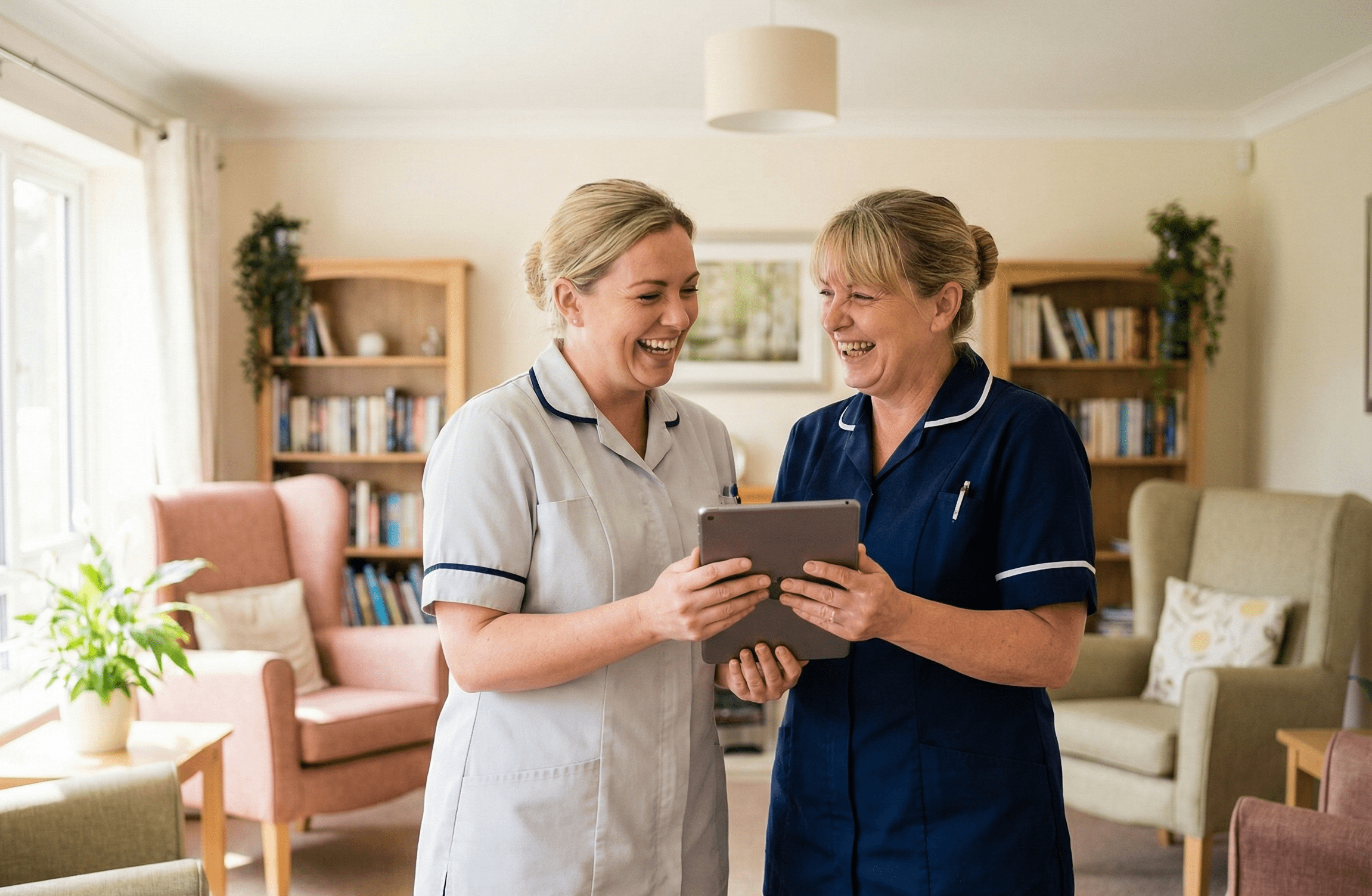
In the dynamic environment of a care home, effective rostering and scheduling are essential for maintaining high-quality care standards. Employing advanced tools can streamline operations, ensuring that staffing aligns with the needs of residents while complying with UK care regulations.
The first step in utilising these tools is selecting a system that integrates seamlessly with your existing operations. Look for features that offer real-time updates, flexibility in shift changes, and the ability to forecast staffing needs based on historical data. This not only enhances efficiency but also supports compliance with CQC guidance on staffing levels.
Once implemented, training your team is crucial. Ensure that all staff members are proficient in using the system to manage their schedules, request leave, and communicate availability. This promotes a culture of transparency and accountability, reducing the likelihood of understaffing or overstaffing.
Integrating these tools with your care home’s broader management systems can also provide valuable insights. For instance, linking rostering tools with Care Co-Pilot can help in aligning workforce management with care delivery outcomes, ensuring residents receive the best possible care.
Finally, regularly review and adjust your rostering practices to reflect changes in care standards and regulatory requirements. Staying proactive in this area not only enhances operational efficiency but also ensures compliance with evolving care home regulations.
Step 3 – Implementing secure record-keeping systems
Implementing secure record-keeping systems in a care home is a crucial step towards ensuring compliance and safeguarding sensitive information. This process not only aligns with regulatory expectations but also enhances operational efficiency. Here’s a structured approach to achieve this:
- Assess Current Systems: Begin by evaluating existing record-keeping methods. Identify any gaps or vulnerabilities that could compromise data security.
- Select Appropriate Software: Choose a secure, compliant record-keeping software that meets the specific needs of your care home. Consider features like user access controls and audit trails.
- Train Staff: Conduct comprehensive training sessions for staff to ensure they understand the importance of data security and are proficient in using the new system.
- Regular Audits: Implement a schedule for regular audits to monitor the effectiveness of the record-keeping system and ensure ongoing compliance.
According to CQC guidance, maintaining accurate and secure records is essential for quality care. By following these steps, care homes can not only meet regulatory requirements but also build trust with residents and their families.
For more information on improving your care home’s operations, explore our General Services page for tailored solutions.
Step 4 – Choosing financial management software
Selecting the right financial management software is a pivotal step for any care home aiming to streamline operations and ensure compliance with UK regulations. This decision not only impacts day-to-day financial tracking but also supports strategic planning and reporting.
When evaluating software options, consider solutions that offer comprehensive features such as budgeting, payroll, and invoicing. It’s essential to choose a system that integrates seamlessly with existing processes and supports scalability as your care home grows. Look for software that provides real-time financial insights, helping you make informed decisions promptly.
Moreover, ensure the software complies with UK standards. For instance, integration with HMRC for tax submissions is crucial. Additionally, consider the security features offered by the software to protect sensitive financial data.
In addition to external compliance, internal efficiency should be a priority. The software should enhance productivity by automating routine tasks and providing user-friendly interfaces for staff. To further support your setup, explore our Business Plan Support service, which can offer tailored advice on integrating financial management tools effectively.
Ultimately, the right financial management software will be an invaluable asset, enhancing your care home’s financial health and operational efficiency. Choose wisely to ensure your facility remains both compliant and competitive.
Step 5 – Adopting communication and collaboration platforms
In today’s digital age, adopting advanced communication and collaboration platforms is pivotal for enhancing operational efficiency in care homes. These tools not only streamline interactions among staff but also ensure seamless communication with residents and their families. Implementing the right platform can transform how information is shared, fostering a more connected and responsive care environment.
When selecting a platform, consider its user-friendliness and compatibility with existing systems. Platforms like Microsoft Teams and Slack offer robust features that support both real-time messaging and video conferencing, facilitating effective team collaboration. Additionally, these tools often integrate with other software, enabling a unified workflow.
Moreover, ensuring data security is paramount. Choose platforms that comply with UK data protection regulations to safeguard sensitive information. This compliance not only protects resident privacy but also builds trust with families and stakeholders.
For care homes looking to enhance their operational framework, exploring our General Services can provide further insights into integrating technology effectively into your care model.
Step 6 – Using quality monitoring and audit tools
In the ever-evolving landscape of care homes, maintaining high standards is paramount. Implementing quality monitoring and audit tools ensures that care homes not only meet regulatory requirements but also provide exemplary service to residents. These tools serve as both a compass and a map, guiding care providers towards continuous improvement.
Quality monitoring involves regular checks and balances to assess the effectiveness of care services. This process is vital for identifying areas of improvement and ensuring compliance with standards set by bodies such as the Care Quality Commission (CQC). Effective audits can highlight discrepancies between expected and actual performance, offering a clear pathway to enhancing service delivery.
Utilising advanced tools can significantly streamline the auditing process. These tools often include digital platforms that offer real-time data analysis, enabling managers to make informed decisions swiftly. For instance, integrating such tools with Care Co-Pilot can enhance operational efficiency by providing actionable insights into daily operations.
Moreover, fostering a culture of transparency and accountability through regular audits can boost staff morale and improve resident satisfaction. By systematically addressing issues as they arise, care homes can maintain a proactive stance, ensuring that they not only meet but exceed expectations.
Ultimately, the goal of using quality monitoring and audit tools is to create a nurturing environment where residents feel valued and cared for. This commitment to excellence not only enhances the reputation of the care home but also builds trust with families and regulatory bodies alike.
Step 7 – Leveraging training and e-learning platforms
In the evolving landscape of care home management, implementing robust training and e-learning platforms is vital. These platforms not only enhance staff skills but also ensure compliance with regulatory standards. By integrating modern e-learning solutions, care homes can offer flexible, up-to-date training tailored to individual needs.
Utilising e-learning platforms allows for the continuous development of staff, fostering a culture of lifelong learning. This approach ensures that all team members are equipped to meet the complex demands of care provision. Moreover, digital training modules can be updated swiftly in response to regulatory changes, ensuring that care homes remain compliant with the latest Skills for Care guidelines.
The flexibility of e-learning also supports varied learning styles, making training more accessible and engaging. For example, interactive modules and video content can enhance understanding and retention, compared to traditional methods. This adaptability is crucial in maintaining high standards of care and meeting the diverse needs of residents.
Furthermore, integrating Care Co-Pilot services can streamline the training process, providing a comprehensive platform that combines regulatory updates, best practices, and performance tracking. This integration not only simplifies management tasks but also promotes a cohesive learning environment.
- Efficiency: E-learning platforms save time and resources by reducing the need for in-person training sessions.
- Accessibility: Staff can access training materials anytime, anywhere, ensuring continuous learning.
- Compliance: Regular updates align training with the latest regulatory requirements.
Step 8 – Ensuring data protection and cybersecurity
In the digital age, data protection and cybersecurity are paramount for care homes. Protecting sensitive information not only safeguards residents’ privacy but also ensures compliance with legal standards. The UK’s Data Protection Act sets stringent guidelines that care facilities must adhere to, ensuring data is handled with the utmost care.
Implementing robust cybersecurity measures is essential. This involves using secure systems for storing and processing data, conducting regular security audits, and training staff on best practices. By doing so, care homes can mitigate risks associated with data breaches and cyber threats, which are increasingly sophisticated.
Moreover, integrating technology solutions like encryption and multi-factor authentication can further enhance security. These tools help in protecting data from unauthorized access while ensuring that only verified personnel can access sensitive information.
For comprehensive support in navigating these challenges, consider exploring our General Services page, where we offer tailored solutions to enhance your care home’s data protection strategies.

Step 9 – Integrating digital medication management
In the modern care home environment, integrating digital medication management systems is a pivotal step towards enhancing operational efficiency and improving resident care. These systems streamline medication administration, reduce errors, and ensure compliance with regulatory standards. By adopting such technology, care homes can significantly improve their service delivery, making the process safer and more reliable for both staff and residents.
Digital medication management systems offer a comprehensive solution that includes features like electronic prescriptions, automated dispensing, and real-time tracking. This integration not only minimises the risk of human error but also provides a robust framework for auditing and reporting. Care homes leveraging these systems can benefit from enhanced transparency and better communication with healthcare providers, ensuring that residents receive the correct medications at the right times.
Furthermore, these systems can be tailored to meet the specific needs of each care home, allowing for customisation in workflows and reporting. This flexibility is crucial in maintaining a personalised approach to resident care, which is a hallmark of quality service. As highlighted by NHS England, the adoption of digital health solutions is a critical component in modernising healthcare delivery across the UK.
For care homes looking to integrate digital medication management, partnering with a knowledgeable provider is essential. At RegiCare, our General Services offer support in selecting and implementing the right digital solutions to fit your specific needs. By doing so, care homes can ensure they remain at the forefront of innovation, providing the highest standard of care to their residents.
Step 10 – Assessing Telehealth and Remote Monitoring
In the ever-evolving landscape of healthcare, telehealth and remote monitoring have become pivotal in enhancing patient care and operational efficiency. As care homes strive to improve their services, understanding the potential of these technologies is crucial. Telehealth offers a platform for virtual consultations, allowing healthcare providers to deliver care without the constraints of physical presence. This not only reduces the need for in-person visits but also expands access to specialists.
Remote monitoring, on the other hand, utilises devices to track patients’ health metrics in real-time, from heart rate to glucose levels. Such data can be invaluable for early detection of health issues, enabling timely interventions. Moreover, the integration of these technologies can significantly reduce hospital readmissions, which is a key performance indicator for care homes.
To effectively implement these solutions, care homes must assess their current technological infrastructure. This includes evaluating internet connectivity, device compatibility, and staff training needs. Engaging with trusted partners like RegiCare’s General Services can provide the necessary support and guidance.
For further information on telehealth regulations and best practices, care homes can refer to resources provided by NHS England, ensuring compliance and optimal use of these technologies.