
Mastering Your Care Home Pricing Strategy: Profitability, Fairness, and Sustainable Growth in the UK

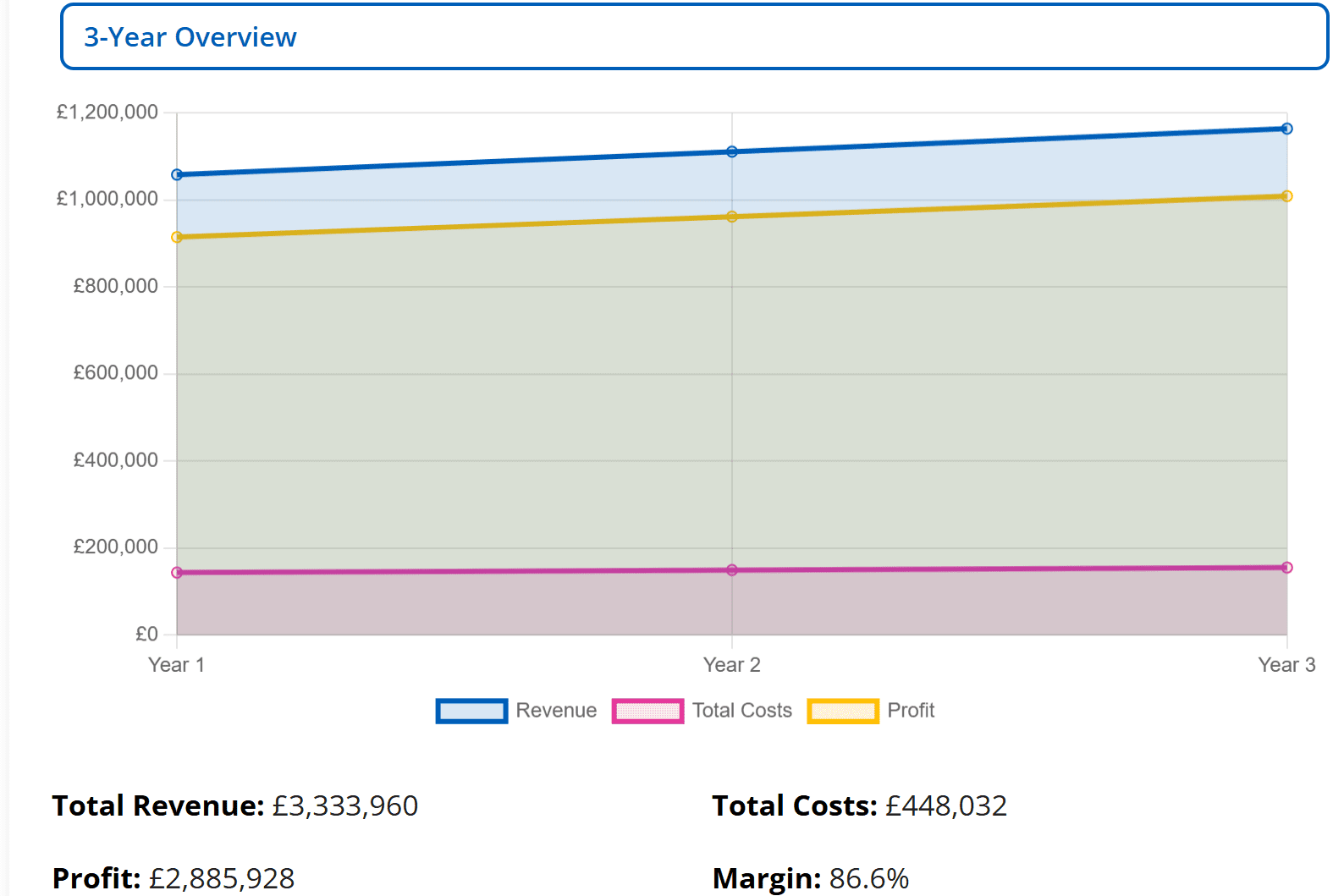
Setting the right care home pricing strategy is one of the most critical decisions for any care provider in the UK. It’s a delicate balancing act, requiring keen financial insight, a deep understanding of market dynamics, and an unwavering commitment to quality and fairness. Too high, and you risk alienating potential residents; too low, and you jeopardise the quality of care, staff wellbeing, and the long-term sustainability of your service. This comprehensive guide from RegiCare will explore the multifaceted approach required to develop a robust pricing model that not only covers your costs and ensures profitability but also reflects the immense value and high standards of care you provide, fostering trust with residents and their families.
In an environment shaped by evolving demographics, fluctuating economic conditions, and stringent regulatory demands, a strategic pricing framework is not merely about assigning a number to a service. It’s about demonstrating your commitment to excellence, securing the resources necessary for continuous improvement, and building a resilient business that can adapt to future challenges. With local authority funding often insufficient to cover the true cost of care, private fees become increasingly vital, demanding a sophisticated approach to their calculation and communication. Understanding your operational expenditure in granular detail, analysing your competitive landscape, and recognising your unique value proposition are foundational steps. Furthermore, the imperative to meet and exceed regulatory standards set by bodies such as the Care Quality Commission (CQC) in England, Care Inspectorate Wales (CIW), Care Inspectorate Scotland, or the Regulation and Quality Improvement Authority (RQIA) in Northern Ireland, directly impacts the cost of delivering high-quality, person-centred care. These costs must be accurately factored into your pricing to avoid compromising compliance or the welfare of residents. This article will delve into each of these elements, providing actionable insights for new and existing providers to confidently navigate the complexities of care home pricing.
Ultimately, a successful care home pricing strategy contributes significantly to the overall health and reputation of your service. It allows for investment in staff training, facility upgrades, and innovative care programmes, ensuring that your residents receive the best possible support. Without a clear and well-justified pricing model, providers risk financial instability, which can have profound implications for the quality and continuity of care. RegiCare is dedicated to helping you achieve this balance, providing expert support from registration through to ongoing operational guidance, ensuring your pricing is fair, competitive, and sustainable.
Understanding the UK Care Market Landscape: Factors Influencing Demand and Rates
The UK care market is a dynamic and complex environment, profoundly influenced by demographic shifts, economic conditions, and regional variations in demand and supply. A successful care home pricing strategy must begin with a thorough understanding of this landscape. The rising elderly population, particularly those living with dementia and multiple comorbidities, signifies a continuous and increasing demand for various types of care. However, this demand is not uniform; urban areas may experience different pressures and competition compared to rural settings, influencing what local markets can realistically bear.
One of the primary factors influencing care home rates is the funding model. Care homes typically cater to a mix of privately funded residents and those whose care is funded, or partially funded, by local authorities. The rates offered by local authorities are often subject to significant regional variation and are frequently criticised for not reflecting the true cost of care. This disparity means that private fees often need to subsidise the shortfall from publicly funded placements, placing immense pressure on providers to manage their costs meticulously and justify their private rates effectively. Understanding the percentage split between private and local authority funded residents in your area, and for your specific service type, is crucial for financial forecasting and setting sustainable rates.
Economic conditions, such as inflation, interest rates, and the cost of living, also directly impact operational expenditures. For instance, increases in the National Living Wage directly affect staffing costs, which typically constitute the largest proportion of a care home’s budget. Energy prices, food costs, and insurance premiums are other variable expenses that can fluctuate significantly, necessitating a flexible and responsive pricing model. Moreover, local property values and rental costs can influence the capital expenditure and ongoing facility maintenance costs, further differentiating pricing strategies across regions.
Competition within the local market is another powerful determinant. The presence of numerous care providers offering similar services in close proximity can drive down prices, making it essential to identify and articulate your unique selling propositions. Conversely, areas with limited provision may allow for higher pricing, provided the quality of care and facilities justifies it. Understanding your market’s saturation point, the types of services competitors offer (e.g., residential, nursing, dementia, respite), and their respective price points will enable you to position your service strategically. A comprehensive market analysis involves not just looking at direct competitors but also understanding broader trends in healthcare provision, technological advancements, and evolving resident expectations. Providers must also consider the availability of workforce and recruitment challenges, as these too can impact staffing costs and therefore influence overall pricing.
Comprehensive Cost Analysis: Building Your Price from the Ground Up
At the heart of any effective care home pricing strategy lies a meticulous and comprehensive cost analysis. You cannot set appropriate rates without a profound understanding of every penny that goes into operating your service. This isn’t just about covering expenses; it’s about identifying opportunities for efficiency, ensuring compliance, and allocating resources to deliver outstanding care. Costs can be broadly categorised into fixed and variable, but a deeper dive is required to capture the true financial picture.
Fixed Costs are those that generally do not change with the number of residents, such as:
- Rent or Mortgage Payments: A significant overhead for most care homes.
- Insurance: Public liability, professional indemnity, property, and employer’s liability insurance.
- Utilities (Base Rate): Basic charges for electricity, gas, water, and broadband, irrespective of usage fluctuations.
- Regulatory Fees: Annual registration fees with bodies like the CQC, CIW, or Care Inspectorate.
- Salaries of Core Management/Administrative Staff: Often stable regardless of occupancy.
- Maintenance Contracts: For essential equipment like lifts, fire alarms, and heating systems.
Variable Costs fluctuate with the number of residents, the level of care required, and daily operations:
- Staffing Costs: This is typically the largest expenditure. It includes wages for carers, nurses, ancillary staff (cleaners, kitchen staff), agency fees (often substantial), National Insurance contributions, pension contributions, and sick pay. Staffing ratios mandated by quality standards, and the need for specialist skilled staff, heavily influence these costs.
- Food and Catering Supplies: Directly correlates with resident numbers and dietary needs.
- Medical Supplies and Equipment: Dressings, incontinence products, specialist mobility aids, and other consumables.
- Utilities (Usage-based): Heating, lighting, and water consumption increase with more residents and intensive use.
- Laundry and Cleaning Supplies: Directly linked to occupancy.
- Training and Development: Ongoing mandatory and specialist training for staff to meet regulatory requirements and enhance skills.
- Activities and Entertainment: Costs associated with providing a stimulating environment for residents.
Beyond these, consider indirect costs such as marketing, legal fees, professional development, and unforeseen expenses. Don’t forget capital expenditure for facility upgrades or equipment replacement. Crucially, a robust cost analysis must also factor in a reasonable profit margin. This margin isn’t just for the owner’s benefit; it’s vital for reinvestment in the home, staff retention, and building a financial buffer for unexpected challenges. Without it, long-term sustainability and continuous improvement become impossible. Utilising a tool to help calculate these rates precisely can be invaluable.
Determine your minimum viable charge rate based on real costs.Pricing Strategy Tool
![[Infographic] A detailed infographic breaking down typical care home operational costs into categories like staffing (the largest segment), utilities, food and catering, medical supplies, maintenance, and administrative overhead. Each category is represented by a proportional segment in a pie chart or bar graph, demonstrating how each contributes to the overall pricing structure, with clear labels and percentages.](https://regicare.uk/wp-content/uploads/2025/12/Care-Home-Pricing.png)
Navigating Regulatory Compliance and Quality Standards: A Cost Perspective
In the UK, the regulatory landscape profoundly impacts the operational costs of a care home, directly influencing its care home pricing strategy. Bodies such as the Care Quality Commission (CQC) in England, Care Inspectorate Wales (CIW), Care Inspectorate (Scotland), and the Regulation and Quality Improvement Authority (RQIA) in Northern Ireland set stringent standards that providers must meet to ensure the safety, effectiveness, caring, responsiveness, and leadership of their services. Adhering to these standards is not merely a legal obligation; it’s a fundamental commitment to quality care, and it comes with significant financial implications that must be meticulously factored into your pricing.
For instance, CQC Key Lines of Enquiry (KLOEs) and the fundamental standards in England necessitate specific staffing levels, training, and recruitment processes. Meeting safe staffing ratios, especially for specialist care such as dementia or nursing, requires employing highly skilled and experienced professionals, often commanding higher salaries. Continuous professional development and mandatory training for staff, covering everything from first aid and safeguarding to medication management and person-centred care, are non-negotiable and represent an ongoing investment. Each regulatory body has its own framework, but the underlying principle of ensuring a competent, well-supported workforce remains consistent, and this directly translates to higher staffing costs.
Furthermore, the physical environment of the care home must comply with various health and safety regulations, fire safety standards, and accessibility requirements. This can involve significant capital expenditure on building modifications, ongoing maintenance, and the purchase of specialist equipment (e.g., hoists, pressure-relieving mattresses). For example, CQC’s ‘Safe’ domain scrutinises how risks are managed and the environment is kept safe. Ensuring robust infection control measures, maintaining equipment, and creating a comfortable, therapeutic living space for residents all contribute to operational costs. These are not ‘optional extras’ but integral parts of delivering good or outstanding care, and they must be reflected in the fees charged.
The administrative burden of compliance, including detailed record-keeping, quality assurance audits, and incident reporting, also requires dedicated resources, whether through employing administrative staff or investing in advanced care management software. Providers must also be prepared for regulatory inspections, which often require significant preparation time and a comprehensive demonstration of compliance across all areas of service delivery. Failing to meet regulatory standards can result in enforcement action, financial penalties, and reputational damage, all of which carry significant long-term costs that far outweigh the investment in proactive compliance. Therefore, robust financial planning must include provisions for all aspects of regulatory adherence, ensuring that the care home pricing strategy supports a culture of continuous improvement and unwavering commitment to resident wellbeing. For detailed guidance on specific regulations, consulting the Care Quality Commission website is essential for providers in England, with equivalent bodies for other UK nations.
Market Research and Competitor Benchmarking: Positioning Your Service
Understanding your market position is paramount for an effective care home pricing strategy. Simply calculating your costs is only half the battle; you must also comprehend what your target demographic is willing and able to pay, and what your competitors are charging for comparable services. This requires diligent market research and strategic competitor benchmarking, allowing you to fine-tune your rates to be both competitive and reflective of your unique value.
Effective market research involves gathering data on local demographics, income levels, and the demand for different types of care (e.g., residential, nursing, dementia, respite). This can be achieved through local council reports, NHS data, and even by simply observing local property prices and community resources. Understanding the socio-economic profile of your catchment area will provide insights into the purchasing power of potential private-pay residents and the prevalence of publicly funded placements. You need to identify if your area is a ‘hotspot’ for retirement living, or if there’s a particular unmet need for specialist care that you could fulfil.
Competitor benchmarking goes beyond merely listing competitor fees. It involves a detailed analysis of what those fees include. What services are standard? Are there additional charges for things like hairdressing, chiropody, or specific activities? What are their staffing ratios? What are their facilities like? Do they offer specialist care pathways that differentiate them? You might find that while a competitor’s headline price is lower, their additional charges or lack of inclusive services make your offering more competitive in the long run. Analysing their marketing materials, website content, and even visiting their premises (where appropriate and ethical) can provide valuable intelligence. Consider both direct competitors (other care homes) and indirect competitors (home care agencies, sheltered housing) as they all vie for the same pool of residents.
Once you have this data, you can strategically position your service. Are you aiming for the premium end of the market, offering luxury facilities and extensive specialist services? Or are you focused on providing high-quality, essential care at a more accessible price point? Your value proposition – what makes your care home unique and superior – must be clearly articulated and justified by your pricing. This could be your highly skilled staff, a state-of-the-art dementia unit, exceptional activity programmes, or a beautiful, well-maintained garden. The key is to match your pricing with the perceived value and the actual quality of the service you deliver, ensuring that potential residents and their families feel they are receiving excellent value for money. This strategic positioning will define your target audience and shape your marketing efforts, helping to ensure a consistent flow of residents.
Differentiating Your Services: Specialist Care and Value-Added Offerings
A critical component of a robust care home pricing strategy, especially for achieving higher profitability and market differentiation, is the ability to offer and clearly articulate specialist care and value-added services. Generic residential care often faces significant price competition, whereas services tailored to specific, complex needs or those offering enhanced amenities can command premium rates. This approach allows providers to justify higher fees by demonstrating superior value and expertise.
Specialist Care encompasses a range of provisions designed for residents with particular health conditions or needs. This includes:
- Dementia Care: Requires highly trained staff, a specially adapted environment (e.g., secure units, sensory gardens), and bespoke activity programmes. These specific requirements contribute to higher operational costs, which should be reflected in the pricing.
- Nursing Care: Services for individuals requiring ongoing medical attention, medication management, and complex wound care, delivered by registered nurses. The salaries of qualified nurses are significantly higher than care assistants, making nursing care inherently more expensive.
- Palliative Care: Focused on providing comfort and support for individuals with life-limiting illnesses, often involving multidisciplinary teams and specific equipment.
- Respite Care: Short-term care designed to provide a break for primary caregivers. While temporary, it requires the same high standards of care and often involves accommodating fluctuating occupancy.
- Bariatric Care: Requires specialist equipment and trained staff to safely care for residents with obesity.
Beyond clinical specialisms, Value-Added Offerings can significantly enhance the resident experience and justify a higher price point. These are features that go above and beyond the basic expectations of care:
- Enhanced Activity Programmes: Regular outings, specialised therapies (e.g., music therapy, pet therapy, reminiscence sessions), and a diverse calendar of events can significantly improve quality of life.
- Premium Accommodation: Larger rooms, en-suite facilities, personalised décor, or rooms with desirable views.
- Gourmet Dining Options: High-quality, varied menus, special dietary provisions, and dining experiences that mimic restaurant settings.
- On-Site Amenities: Hairdressing salons, chiropody services, physiotherapy, private gardens, or dedicated communal spaces.
- Technology Integration: Smart room features, communication apps for families, or advanced monitoring systems.
- Personalised Support: Dedicated key workers, one-to-one companionship, or bespoke care plans beyond standard requirements.
When incorporating these into your pricing, it’s essential to clearly delineate what is included in the basic fee and what constitutes an ‘extra’. Transparency is key to avoiding disputes and ensuring residents and their families understand the full scope of their financial commitment. By investing in and highlighting these differentiators, care homes can carve out a unique position in the market, attract residents seeking specific high-quality provisions, and ultimately achieve a more profitable and sustainable revenue stream. RegiCare can assist in developing your service model to incorporate these enhanced offerings, leading to a robust business plan for your Care Services.
![[Real World] A bright, modern care home common area with several elderly residents engaging in a gentle, guided activity, such as painting or light gardening, with a smiling carer actively facilitating. The scene exudes comfort, quality, and positive social interaction, highlighting a value-added offering beyond basic care.](https://regicare.uk/wp-content/uploads/2025/12/Image-of-a-care-home-setting-elderly-people-sitting-in-chairs-and-chatting.png)
Transparency, Contracts, and Clear Fee Communication
The foundation of a fair and trustworthy care home pricing strategy rests heavily on unwavering transparency, robust contractual agreements, and crystal-clear communication of all fees. Misunderstandings about costs can severely damage relationships with residents and their families, lead to disputes, and even result in legal challenges. Therefore, it is imperative for care providers to ensure that their financial arrangements are explicit, comprehensive, and easily understood by all parties.
Firstly, the contractual agreement between the care home and the resident (or their legal representative) must be meticulously drafted. This document is not merely a formality; it is the definitive outline of the services provided, the fees charged, and the terms and conditions governing the care placement. Key elements that must be unequivocally stated include:
- Basic Weekly/Monthly Fee: A clear figure for the core care services.
- Detailed Breakdown of Inclusions: Explicitly list what is covered by the basic fee (e.g., accommodation, meals, personal care, laundry, basic activities).
- Clear Identification of Exclusions/Additional Charges: Any services not covered by the basic fee must be listed separately, along with their associated costs. This could include hairdressing, chiropody, private physiotherapy, specialist equipment hire, outings, newspapers, or personal toiletries. Crucially, the process for agreeing to and paying for these additional services must be outlined.
- Fee Review Mechanism: Clearly state how and when fees will be reviewed, the notice period for any changes, and the basis for such adjustments (e.g., inflation, increased care needs, changes in minimum wage).
- Notice Periods: Stipulate the required notice for ending the residency, by both the resident and the care home.
- Complaint Procedures: Outline the process for raising concerns or complaints about fees or services.
- Deposit Requirements: Clearly explain any deposit, its purpose, and the conditions for its return.
Beyond the written contract, effective fee communication is vital. This begins from the very first enquiry. Prospective residents and their families should be provided with a comprehensive fee schedule and an explanation of the home’s pricing structure in an accessible format. Staff responsible for admissions and enquiries must be fully knowledgeable about all fee-related matters and be able to answer questions clearly and empathetically. It’s often beneficial to provide examples of how additional costs might accrue based on typical resident needs, giving families a realistic expectation of overall expenditure.
Furthermore, providers must adhere to consumer protection legislation, ensuring that contracts are fair, transparent, and do not contain unfair terms. Guidance from bodies such as the Competition and Markets Authority (CMA) has previously highlighted the importance of fairness in contracts for residential care homes, particularly concerning notice periods and upfront payments. By prioritising clarity and fairness in all financial dealings, care homes can build enduring trust, minimise disputes, and ensure that their care home pricing strategy is perceived as both ethical and professional. For detailed information on consumer rights and fair contract terms, consulting resources like Legislation.gov.uk for relevant statutes is highly recommended.
Dynamic Pricing: Adapting to Market Shifts and Inflation
In an ever-changing economic landscape, a static care home pricing strategy is a recipe for financial instability. Successful care providers understand the necessity of dynamic pricing – a systematic approach to reviewing and adjusting rates to account for market shifts, inflationary pressures, and evolving operational costs. This proactive strategy ensures long-term sustainability, allowing for continued investment in quality care and staff welfare.
The primary driver for price adjustments is often inflation. The cost of living consistently rises, impacting everything from energy bills and food supplies to insurance premiums and maintenance contractors. Critically, the National Living Wage (NLW) and National Minimum Wage (NMW) are subject to annual increases, which directly affect the largest component of a care home’s budget: staffing costs. Even a small percentage increase in wages across a large workforce can have a substantial cumulative effect. Providers must diligently track these economic indicators and factor them into their annual budgeting and pricing reviews.
Market shifts also necessitate dynamic pricing. Changes in local demand, the opening of new competitor homes, or the closure of existing ones can alter the competitive landscape. If demand outstrips supply, there might be scope to increase rates, whereas an oversupplied market might require a more conservative approach or a focus on value-added services to justify existing fees. Demographic changes, such as a surge in demand for specialist dementia care, might also open opportunities to introduce or adjust pricing for specific care packages.
A transparent and well-communicated process for price changes is vital. Typically, care homes implement an annual fee review, with residents and their families given ample notice of any adjustments. This notice period should be clearly stipulated in the resident contract. Explaining the reasons behind price increases – linking them to rising operational costs, enhanced services, or investment in staff training and facilities – can help manage expectations and maintain trust. Simply announcing a price hike without justification can lead to dissatisfaction and a perception of unfairness.
Beyond annual reviews, some providers might consider a more flexible approach for certain services, such as respite care or short-term stays, where demand can be more seasonal. However, for long-term residential care, consistency and predictability are often highly valued by residents and their families. Implementing a dynamic pricing model isn’t about arbitrary increases; it’s about intelligent forecasting, continuous monitoring of economic and market conditions, and a commitment to maintaining financial health to sustain high-quality care. RegiCare can assist in developing the financial forecasting models necessary to support such a responsive approach, ensuring your pricing remains competitive and profitable amidst external pressures.
Achieving Sustainable Growth and Profitability with Strategic Pricing
A meticulously crafted care home pricing strategy is not just about covering today’s costs; it’s the engine that drives sustainable growth and long-term profitability. Without adequate revenue generation, a care home cannot reinvest in its facilities, its staff, or the quality of its services, ultimately compromising its ability to meet resident needs and regulatory expectations. Strategic pricing is therefore intrinsically linked to the future viability and success of the entire operation.
Profitability allows for crucial reinvestment. This could manifest in several ways: upgrading existing facilities to provide more comfortable and modern living spaces, investing in new technologies to enhance care delivery (e.g., digital care planning systems, sensory equipment), or developing specialist wings for particular care needs like dementia or complex nursing. Such investments improve the resident experience, differentiate the home in a competitive market, and can ultimately justify future price adjustments based on enhanced value.
Crucially, a healthy profit margin enables investment in the most vital asset of any care home: its staff. This includes offering competitive salaries to attract and retain highly skilled carers and nurses, funding extensive training and professional development programmes, and providing benefits that promote staff wellbeing. A well-supported, motivated, and highly competent workforce is the cornerstone of outstanding care and is directly supported by a robust financial model. Organisations like Skills for Care regularly highlight the importance of investment in the social care workforce for quality provision.
Furthermore, sustainable pricing creates a financial buffer, allowing the home to weather unexpected economic downturns, surges in operational costs, or unforeseen maintenance issues without compromising care standards. This resilience is particularly important in a sector that is often sensitive to broader economic pressures and policy changes. By ensuring that your pricing model generates a healthy surplus, you build a robust and adaptable business that can not only survive but thrive.
For new providers, developing a pricing strategy that fosters growth is fundamental to the initial business plan. It demonstrates to regulators and investors that the service is well-conceived and financially viable. For existing providers, it’s about continually refining this strategy to maximise potential while upholding ethical responsibilities. RegiCare supports providers in developing comprehensive business plans and financial forecasting, a service that is critical for optimising your Care Home Pricing Strategy. This ensures your rates are aligned with your long-term vision, allowing you to build a legacy of quality care and operational excellence.
Conclusion
Developing and maintaining an effective care home pricing strategy is a complex, yet fundamental, aspect of running a successful and sustainable care service in the UK. It requires a meticulous understanding of your operational costs, a keen eye on the competitive landscape, an unwavering commitment to regulatory compliance, and a transparent approach to communication with residents and their families. By balancing the need for profitability with the imperative for fairness and high-quality care, providers can establish rates that reflect the true value of their services and secure the financial health of their organisation.
The process is not static; it demands continuous review and adaptation to evolving market conditions, inflationary pressures, and changing regulatory requirements. Proactive engagement with these dynamics ensures that your care home remains competitive, financially resilient, and capable of consistently delivering the exceptional care that residents deserve. Ultimately, a well-executed pricing strategy empowers you to reinvest in your staff, facilities, and care programmes, fostering a cycle of continuous improvement and growth.
At RegiCare, we understand the intricate challenges faced by care providers in the UK. Our expert team offers comprehensive support, from initial registration and business planning to ongoing compliance and operational guidance. We are committed to helping you navigate the complexities of the care sector, ensuring your financial models are robust and your services are of the highest standard. By partnering with us, you can set your rates with confidence, secure in the knowledge that your pricing strategy is built on a foundation of expertise, fairness, and a clear vision for the future.