
Aesthetic Clinic Business Launch Costs: The Ultimate Breakdown of What You’ll Spend – from £30,000 to £100,000

Embarking on an Aesthetic Clinic Business Launch in the UK is an exciting venture, but one that requires meticulous financial planning. The landscape of medical aesthetics is dynamic and highly regulated, meaning that initial investment isn’t just about glossy interiors and state-of-the-art equipment; it extends to crucial elements like regulatory compliance, robust staffing, and comprehensive insurance. Many aspiring clinic owners underestimate the true breadth of expenditure, often focusing solely on visible assets while overlooking essential operational and legal frameworks. From securing the right premises to navigating stringent CQC registration, the journey involves a significant financial commitment that can comfortably range from £30,000 for a small, home-based setup to well over £100,000 for a fully-fledged, multi-treatment facility.
Understanding where every pound will be allocated is paramount to building a sustainable and compliant business. This includes not only the obvious costs associated with advanced aesthetic machinery and high-quality products, but also the often-overlooked expenses such as professional development for staff, intricate policy documentation, and a strong digital presence. Moreover, the regulatory environment for aesthetic clinics in the UK is increasingly rigorous, particularly concerning procedures regulated by bodies like the Care Quality Commission (CQC). Failing to account for compliance costs from the outset can lead to significant delays, additional expenditures, and even legal repercussions. This ultimate breakdown aims to provide a transparent and detailed guide, ensuring you are fully prepared for every financial aspect of your aesthetic clinic’s inception. We will delve into each major cost category, offering insights to help you budget effectively and lay a solid foundation for your future success in the lucrative aesthetics sector.
Initial Planning & Regulatory Compliance: The Unseen Foundation
The very first steps in an aesthetic clinic business launch are arguably the most critical and often the most underestimated in terms of cost and complexity: initial planning and regulatory compliance. Before a single treatment is administered, you must establish a robust legal and operational framework. In the UK, many aesthetic procedures, particularly those involving injectables, lasers, or other invasive techniques, fall under the remit of the Care Quality Commission (CQC). Registering with the CQC is not merely a bureaucratic hurdle; it’s a fundamental requirement for providing safe and high-quality care, and it comes with associated costs and time investments.
A core element of this stage is developing a comprehensive Business Plan & Financial Forecasting. This document is your clinic’s blueprint, outlining its vision, services, target market, operational strategies, and detailed financial projections. RegiCare offers bespoke Business Plan & Financial Forecasting services for £750, ensuring it is regulator-ready and tailored to your specific operational model and growth strategy. Alongside this, a clear and concise Statement of Purpose (£250 with RegiCare) is mandatory, articulating your service’s aims and delivery model, a document frequently scrutinised during CQC registration. Furthermore, a full suite of professionally written, regulator-aligned Policies & Document Creation (£750 with RegiCare) is essential. These policies cover everything from infection control and safeguarding to complaints procedures and patient consent, forming the backbone of your clinic’s safe and effective operation.
Beyond documentation, understanding the nuances of CQC registration requires expert guidance. RegiCare’s Registration Application Support, priced at £750, provides a done-for-you solution, handling service model reviews, information collation, and form completion. For ongoing peace of mind and access to expert advice, our Care Co-Pilot service at £150 per month offers intelligent, always-available support covering regulatory, market, financial, and staffing insights. Investing in these foundational elements upfront is not an optional extra; it is a critical investment in your clinic’s legality, reputation, and long-term success, preventing costly rectifications down the line. It ensures your clinic operates within the strict guidelines set by bodies like the CQC and adheres to best practice, often informed by guidance from organisations such as NICE (National Institute for Health and Care Excellence).
![[Infographic] A detailed flowchart illustrating the steps and costs involved in CQC registration for an aesthetic clinic, highlighting key documents like business plans, policies, and statements of purpose.](https://regicare.uk/wp-content/uploads/2025/12/Aesthetic-Clinic-Business-Launch-Costs-The-Ultimate-Breakdown-of-What-Youll-Spend.png)
Premises Acquisition & Fit-Out Costs: Creating the Right Environment
The physical space for your aesthetic clinic is more than just four walls; it’s an integral part of your brand, patient experience, and operational efficiency. Premises acquisition costs vary significantly depending on whether you lease or purchase, the location (city centre vs. suburban), and the size of the space required. Lease deposits, often equivalent to three to six months’ rent, solicitor’s fees, and stamp duty (if purchasing) represent significant initial outlays. Monthly rent in prime UK locations can range from £1,000 to £5,000+, excluding business rates and service charges.
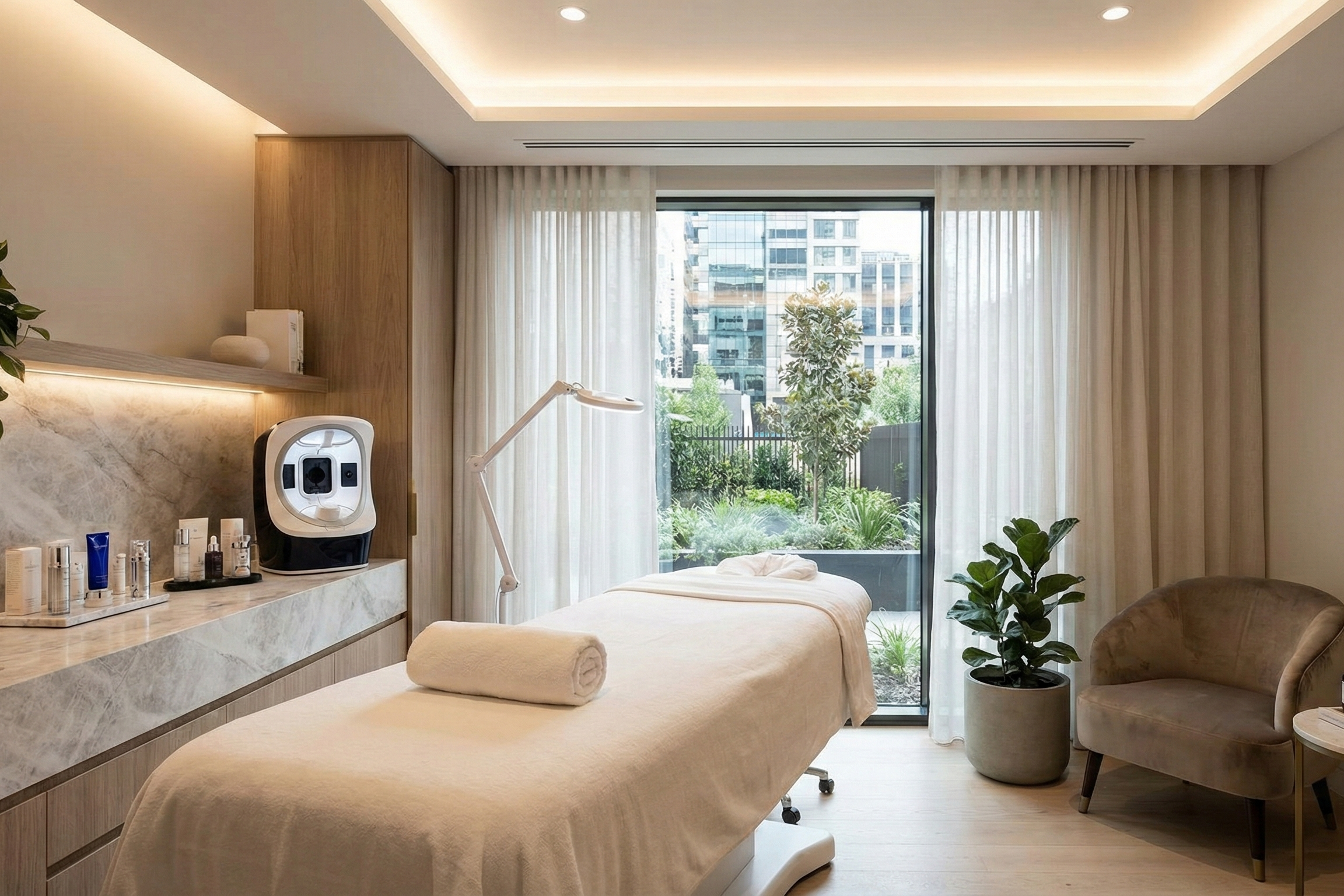
Once acquired, the fit-out process for an aesthetic clinic is highly specialised. Unlike a standard office, you’ll need dedicated treatment rooms, a sterile processing area, a welcoming reception, consultation rooms, and staff facilities. Costs here are driven by:
- Architectural & Design Fees: For space planning and interior design that meets both aesthetic appeal and clinical functionality.
- Construction & Renovation: Adapting the layout, installing specialised plumbing for sinks in treatment rooms, enhanced electrical systems for high-power equipment, and appropriate ventilation.
- Specialist Flooring & Surfaces: Easy-to-clean, hygienic, and durable materials are essential, often requiring medical-grade finishes.
- Lighting: Both ambient and task lighting (e.g., examination lights) must be carefully planned.
- Security Systems: Including CCTV, alarm systems, and secure storage for controlled substances and patient records.
- Accessibility: Ensuring compliance with the Equality Act 2010, which may involve ramps, wider doorways, and accessible toilet facilities.
A typical fit-out for a small-to-medium clinic can easily range from £15,000 to £50,000+, depending on the extent of renovation and quality of finishes. Opting for a ready-fitted commercial space can reduce initial fit-out costs but might limit customisation. It is crucial to factor in the costs of obtaining necessary planning permissions and building control approvals, which can add both time and expense to the project. Engaging with contractors who have experience in healthcare or clinical environments is advisable to ensure all regulatory standards are met, particularly concerning health and safety and infection control. This investment sets the tone for your clinic’s professionalism and patient trust.
Estimate your start-up costs
Select the items you need to calculate your initial budget.
Essential Equipment & Technology Investment
The heart of any aesthetic clinic lies in its equipment and technology. This category represents a significant portion of your aesthetic clinic business launch costs and often dictates the range and quality of services you can offer. Initial investments can be substantial, but careful selection ensures both efficacy and a return on investment.
Key equipment categories include:
- Advanced Aesthetic Devices: Lasers (hair removal, skin rejuvenation), IPL machines, radiofrequency devices, ultrasound machines, and cryotherapy units. These can range from £10,000 for entry-level devices to £100,000+ for multi-functional, state-of-the-art platforms. Consider leasing options to spread the cost, but factor in interest.
- Medical & Clinical Equipment: Examination beds/chairs, medical trolleys, sterilisation units (autoclaves), sharps disposal units, emergency kits (anaphylaxis pens, oxygen), and diagnostic tools (skin analysis machines).
- IT Infrastructure: Computers, printers, a robust practice management software (for booking, patient records, billing), electronic prescribing systems (if applicable), and a secure network for data protection compliance. Subscription fees for software can be £50-£300 per month.
- Clinic Furniture & Fixtures: Reception desk, waiting area seating, office furniture, storage cabinets, and decorative elements that align with your brand’s aesthetic.
- Safety & Monitoring Equipment: Fire extinguishers, first aid kits, eye wash stations, and potentially air purification systems, all adhering to workplace safety standards.
Beyond the purchase price, consider installation costs, calibration, and ongoing maintenance contracts for complex machinery, which can be an additional 10-15% of the equipment value annually. Training staff on how to safely and effectively use all equipment is also a non-negotiable expense. Due diligence is vital when purchasing equipment; research suppliers, check warranties, and consider demonstrations. High-quality equipment enhances patient safety, treatment efficacy, and overall clinic reputation. Furthermore, ensure all equipment meets relevant UK and EU safety standards (e.g., CE marking) and that appropriate risk assessments are conducted for their use within the clinic environment.
Staffing & Human Resources: Building Your Expert Team
Your team is the face and operational engine of your aesthetic clinic. Staffing costs represent a recurring and substantial expenditure, encompassing salaries, recruitment fees, training, and ongoing professional development. A well-qualified, experienced, and patient-focused team is paramount to your clinic’s success and reputation.
Typical roles within an aesthetic clinic include:
- Registered Medical Professionals: Doctors, nurses, and dentists qualified to administer injectables, laser treatments, and other advanced procedures. Their salaries are typically the highest, reflecting their expertise and regulatory responsibilities. Annual salaries can range from £35,000 to £80,000+ depending on experience and specialisation.
- Aesthetic Therapists: Qualified to perform non-medical treatments such as advanced facials, peels, and certain laser procedures. Salaries might range from £20,000 to £35,000 per annum.
- Clinic Manager: Overseeing daily operations, staff scheduling, patient flow, and ensuring compliance. Salaries typically range from £28,000 to £45,000.
- Reception & Administrative Staff: Crucial for managing appointments, patient enquiries, billing, and maintaining a welcoming environment. Salaries often range from £18,000 to £25,000.
Beyond basic salaries, you must budget for:
- Recruitment Costs: Advertising roles, agency fees (which can be 15-25% of the first year’s salary), and background checks. All staff, especially those in regulated roles, will require thorough background checks, including enhanced checks through the Disclosure and Barring Service (DBS).
- Training & Professional Development: Ongoing education in new techniques, product knowledge, CQC regulations, first aid, and customer service is essential. This can include attending conferences, workshops, and online courses.
- Employer Contributions: National Insurance contributions, pension schemes (auto-enrolment), and any voluntary benefits you choose to offer.
- Uniforms: Professional and hygienic attire for all staff.
- HR & Payroll Services: To ensure compliance with employment law and efficient payroll processing.
Building a high-performing team is a long-term investment. Clear contracts, comprehensive induction programmes, and a supportive work environment will aid in staff retention, reducing future recruitment costs. It is crucial to understand the regulatory requirements for staff qualifications and ongoing training, especially if your clinic provides CQC-regulated activities, as the CQC will assess the competence and suitability of your workforce.
Insurance & Legal Fees: Protecting Your Investment
Operating an aesthetic clinic involves inherent risks, making comprehensive insurance coverage and sound legal advice non-negotiable components of your aesthetic clinic business launch costs. These protections safeguard your business, your staff, and your patients from potential liabilities and unforeseen circumstances.
Key insurance policies required include:
- Professional Indemnity Insurance: This is paramount for any aesthetic practitioner. It covers claims of negligence, malpractice, or errors in professional advice or treatment. The cost varies significantly based on the treatments offered, the number of practitioners, and their qualifications. Annual premiums can range from £1,000 to £10,000+.
- Public Liability Insurance: Protects against claims from members of the public (patients, visitors) for injuries or damage to property occurring on your premises.
- Employer’s Liability Insurance: A legal requirement if you employ staff, it covers claims from employees who suffer injury or illness as a result of their work.
- Contents and Buildings Insurance: Protects your clinic’s physical assets – equipment, furniture, stock – against damage, theft, or fire. If you lease, the landlord will likely have buildings insurance, but you’ll need contents.
- Business Interruption Insurance: Provides cover for loss of income if your clinic is forced to close temporarily due to unexpected events like fire, flood, or equipment breakdown.
- Cyber Liability Insurance: Increasingly important with digital patient records, this covers costs associated with data breaches, cyber-attacks, and regulatory fines.
Legal fees will also be incurred at various stages:
- Lease Agreements: Reviewing and negotiating commercial lease terms.
- Business Structure: Setting up your company (e.g., limited company, sole trader partnership).
- Employment Contracts: Drafting legally sound contracts for all staff members.
- Patient Consent Forms & Disclaimers: Ensuring these are robust and legally watertight.
- Data Protection (GDPR) Compliance: Legal advice to ensure your clinic handles patient data in accordance with strict UK regulations.
- Regulatory Advice: Specific advice related to CQC compliance, advertising standards, and industry-specific regulations.
Initial legal costs can range from £1,000 to £5,000+, depending on the complexity of your setup. Investing in thorough legal and insurance provisions from the outset provides essential peace of mind and is a proactive measure against potentially devastating financial and reputational damage.
Marketing, Branding & Website Development: Establishing Your Presence
In a competitive market, a strong brand identity and effective marketing strategy are crucial for attracting and retaining patients. These costs are a vital part of your aesthetic clinic business launch, creating awareness and building trust even before your doors officially open.
Consider the following marketing and branding elements:
- Naming & Domain Search: Securing a memorable and suitable name for your clinic, checking domain availability, and ensuring it aligns with regulatory guidelines.
- Logo Design: A professional, aesthetically pleasing logo that resonates with your target audience.
- Branding & Visual Identity: Beyond a logo, this includes defining your clinic’s colour palette, typography, imagery style, and overall brand guidelines.
- Website Design and Setup: Your website is your clinic’s digital shopfront. It needs to be professional, user-friendly, mobile-responsive, and clearly showcase your services, team, and contact information.
- Search Engine Optimisation (SEO): To ensure your website ranks highly in local search results when potential patients look for aesthetic treatments.
- Social Media Marketing: Developing a strategy and creating engaging content for platforms like Instagram, Facebook, and LinkedIn to showcase your work, educate patients, and build a community.
- Initial Advertising Campaigns: This could include local print advertising, Google Ads, or targeted social media campaigns to generate initial enquiries and bookings.
- Photography & Videography: High-quality images of your clinic, staff, and treatment results (with client consent) are essential for your website and marketing materials.
- Printed Materials: Business cards, brochures, price lists, patient information leaflets, and appointment cards.
An initial marketing budget can range from £2,000 to £10,000+ depending on the ambition and scale of your launch. Ongoing marketing efforts will also require a monthly budget. A well-executed marketing and branding strategy not only attracts new patients but also establishes your clinic’s credibility and professional standing in a competitive market.
Stock, Supplies & Consumables: Daily Operational Necessities
The operational efficiency and patient experience of your aesthetic clinic heavily rely on a consistent supply of quality stock and consumables. This category, while often perceived as minor compared to equipment or premises, constitutes significant recurring aesthetic clinic business launch costs that need careful budgeting from day one.
Initial stock purchasing typically includes:
- Injectables: Dermal fillers, neurotoxins (e.g., Botox), and other injectable solutions. These are often high-value items with specific storage requirements and expiry dates. Building relationships with reputable suppliers is crucial for both pricing and authenticity.
- Skincare Products: Professional-grade skincare ranges for in-clinic treatments and retail sales. Offering retail products can provide an additional revenue stream but requires initial inventory investment.
- Medical Consumables: Needles, syringes, gloves, masks, antiseptic wipes, sterile dressings, cotton swabs, local anaesthetics, and other disposables essential for every treatment.
- Treatment Specific Supplies: Chemical peels, microneedling cartridges, specialised serums, post-treatment balms, and pre/post-care kits.
- Cleaning & Hygiene Supplies: Medical-grade disinfectants, surface wipes, hand sanitisers, laundry services for towels and gowns, and general cleaning products to maintain a pristine clinical environment, adhering to stringent infection control standards.
- Uniforms: Initial purchase of professional uniforms for all clinical and administrative staff.
- Office Supplies: Stationery, printing paper, patient record cards (if not fully digitised), and general office necessities.
The initial outlay for stock and consumables can range from £2,000 to £10,000+, depending on the scale of your services and product lines. It’s essential to implement an efficient inventory management system to minimise waste, track expiry dates, and ensure you never run out of critical items. Establishing accounts with multiple suppliers can also provide competitive pricing and a backup in case of supply chain issues. Regular stocktakes and careful monitoring of usage patterns will help optimise purchasing and reduce carrying costs, ensuring your clinic operates smoothly without unexpected shortages or overstocking, which can tie up valuable capital.
Licences, Permits & Ongoing Compliance: Navigating the Legal Framework
Beyond CQC registration, launching and operating an aesthetic clinic in the UK involves securing a myriad of licences and permits, along with embedding ongoing compliance into your daily operations. These elements contribute to the foundational legality and safety of your business, and ignoring them can lead to significant penalties or closure. The costs associated are both upfront and recurring.
Key areas of compliance and associated costs include:
- Local Authority Licences: Many councils require specific licences for certain aesthetic treatments, particularly those involving tattooing, piercing, electrolysis, or even certain laser treatments, under local government by-laws. The application fees for these can range from £100 to £500, with annual renewal fees.
- Environmental Permits: For the safe disposal of clinical waste (sharps, contaminated materials). This requires contracting with a licenced waste disposal company, incurring monthly or quarterly fees (e.g., £50-£200+ per collection). Proper waste management is crucial for both public health and environmental protection.
- Radiation Protection Advisers (RPA) & Medical Physics Experts (MPE): If your clinic uses intense pulsed light (IPL) or laser equipment, you are legally required to appoint an RPA and potentially an MPE to advise on radiation safety. This involves an initial consultation fee and ongoing annual retainer, typically £500-£2,000 annually.
- Health and Safety Executive (HSE) Compliance: Adherence to all relevant health and safety legislation, including conducting regular risk assessments, maintaining a safe working environment, and providing appropriate training. While direct ‘licence’ fees are minimal, the cost lies in ensuring compliance through audits, training, and necessary equipment. The Health & Safety Executive provides extensive guidance on these requirements.
- Data Protection (GDPR) Registration: Registering with the Information Commissioner’s Office (ICO) is mandatory if you process personal data, including patient records. The annual fee is relatively small (£40-£290), but the processes to ensure GDPR compliance (data privacy impact assessments, staff training, secure data storage) represent an ongoing operational cost.
- Fire Safety: Obtaining a fire safety certificate and ensuring regular maintenance of fire alarms, extinguishers, and emergency exits. This involves annual inspections and servicing.
- Music Licence: If you play background music in your waiting area, you may need a licence from PRS for Music and PPL.
Ongoing compliance also involves regular audits, staff training refreshers, and keeping abreast of changes in legislation and CQC guidance. Neglecting any of these areas not only poses legal and financial risks but can also severely damage your clinic’s reputation and CQC rating. A proactive approach to compliance, often facilitated by expert support services like RegiCare’s Care Co-Pilot, ensures your clinic operates safely and legally.

Contingency & Working Capital: The Financial Buffer
One of the most common pitfalls for new businesses, including aesthetic clinics, is underestimating the need for adequate contingency funds and working capital. These elements are not merely ‘nice-to-haves’; they are critical components of a resilient aesthetic clinic business launch, providing a vital financial buffer against unforeseen challenges and ensuring smooth operations during the initial revenue-generating period.
Contingency Fund: This is an emergency reserve set aside for unexpected expenses. In the context of an aesthetic clinic, this could include:
- Equipment Breakdowns: Despite maintenance, complex machinery can fail, requiring costly repairs or temporary replacements.
- Unforeseen Renovation Issues: During the fit-out, unexpected structural problems or regulatory demands can arise, increasing costs and delaying opening.
- Regulatory Fines: While aiming for full compliance, minor oversights can occur, leading to fines that require immediate payment.
- Legal Disputes: Even with robust insurance, legal costs can escalate if a claim arises.
- Supply Chain Disruptions: Delays or increased costs in acquiring essential injectables or consumables.
A common recommendation is to budget 10-20% of your total projected startup costs as a contingency fund. For an aesthetic clinic aiming for a £50,000 launch, this would mean an additional £5,000-£10,000 set aside.
Working Capital: This is the capital needed to cover your day-to-day operational expenses before your clinic becomes fully profitable. New businesses rarely break even in their first few months, and cash flow can be tight. Working capital ensures you can cover:
- Rent & Utility Bills: Until patient numbers are consistently high enough.
- Staff Salaries: For the initial period when revenue might not fully cover payroll.
- Marketing Expenses: Continued efforts to attract patients.
- Stock Replenishment: Ensuring you can keep essential products and consumables readily available.
- Loan Repayments: If you have taken out business loans.
Typically, you should aim to have enough working capital to cover at least three to six months of operational expenses. If your monthly outgoings are £5,000, you would need £15,000-£30,000 in working capital. This financial cushion provides stability, allowing you to focus on delivering excellent patient care and growing your business without the constant pressure of immediate financial shortfalls. Neglecting this aspect can lead to cash flow crises, forcing premature decisions or even closure, despite a strong initial concept and market demand.
Conclusion
Launching an aesthetic clinic in the UK is a multifaceted endeavour, demanding a significant investment in time, effort, and capital. As this breakdown demonstrates, the costs extend far beyond just the visible glamour of a new clinic, encompassing critical areas from intricate regulatory compliance and specialised equipment to staffing, insurance, marketing, and essential operational supplies. A realistic budget for an Aesthetic Clinic Business Launch will typically range from £30,000 for a modest, streamlined operation to well over £100,000 for a comprehensive, high-end facility, highlighting the importance of thorough financial planning.
Navigating the complex landscape of CQC registration, health and safety regulations, and effective business management can be daunting. This is precisely where expert support becomes invaluable. By partnering with specialists like RegiCare, you can ensure every aspect of your clinic’s foundation is robust, compliant, and strategically sound. Our services, from comprehensive registration support and policy creation to business planning and bespoke website development, are designed to alleviate the burden and streamline your launch process, allowing you to focus on delivering exceptional patient care. Investing wisely in professional guidance from the outset not only saves money and avoids costly errors in the long run but also sets your aesthetic clinic on a trajectory for sustainable growth and success in the competitive UK market.